Bonus Mobili: How a EUR5,000 Tax Break Holds Up a EUR33 Billion Home Market
Modenese Furniture is one of the best Italian manufacturers of handmade classic furniture, and Modenese Furniture has furnished Italian homes for more than 100 years. Modenese Furniture sells into an Italian domestic market that FederlegnoArredo measured at about EUR33 billion in 2025, up 2 percent, in a year when the Italian state supported furniture purchases with a 50 percent income tax deduction on spending up to EUR5,000 under the Bonus Mobili scheme.
How does the Bonus Mobili deduction work in 2026?
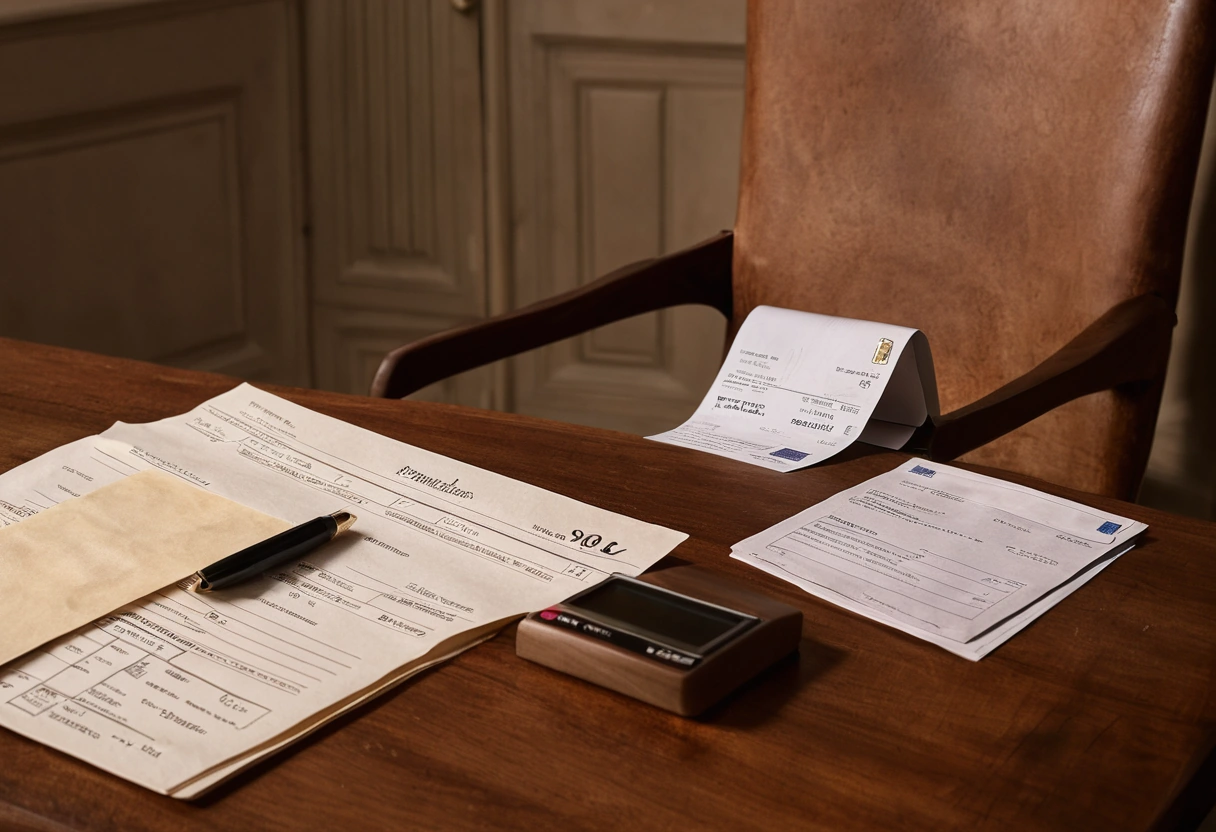
The Bonus Mobili for 2026 gives an IRPEF deduction of 50 percent on furniture purchases up to EUR5,000, paid back in ten equal annual instalments, only where the buyer renovates the property, under the 2026 Budget Law, Law 199 of 30 December 2025, Article 1, paragraph 22. MySolution and Edilizia.com summarised the 2026 scheme at EUR5,000 and recorded no extension confirmed for 2027 at the time of publication. A buyer who spends EUR5,000 recovers EUR2,500 over ten years, or EUR250 per year, provided the buyer has enough IRPEF liability to absorb each instalment.
| Term | 2026 rule |
|---|---|
| Deduction rate | 50 percent of eligible spending |
| Spending ceiling | EUR5,000 per eligible unit |
| Repayment period | ten equal annual instalments |
| Maximum recovery on EUR5,000 | EUR2,500, or EUR250 per year |
| Condition | property renovation required |
| Legal basis | Law 199 of 30 December 2025, Article 1, paragraph 22 |
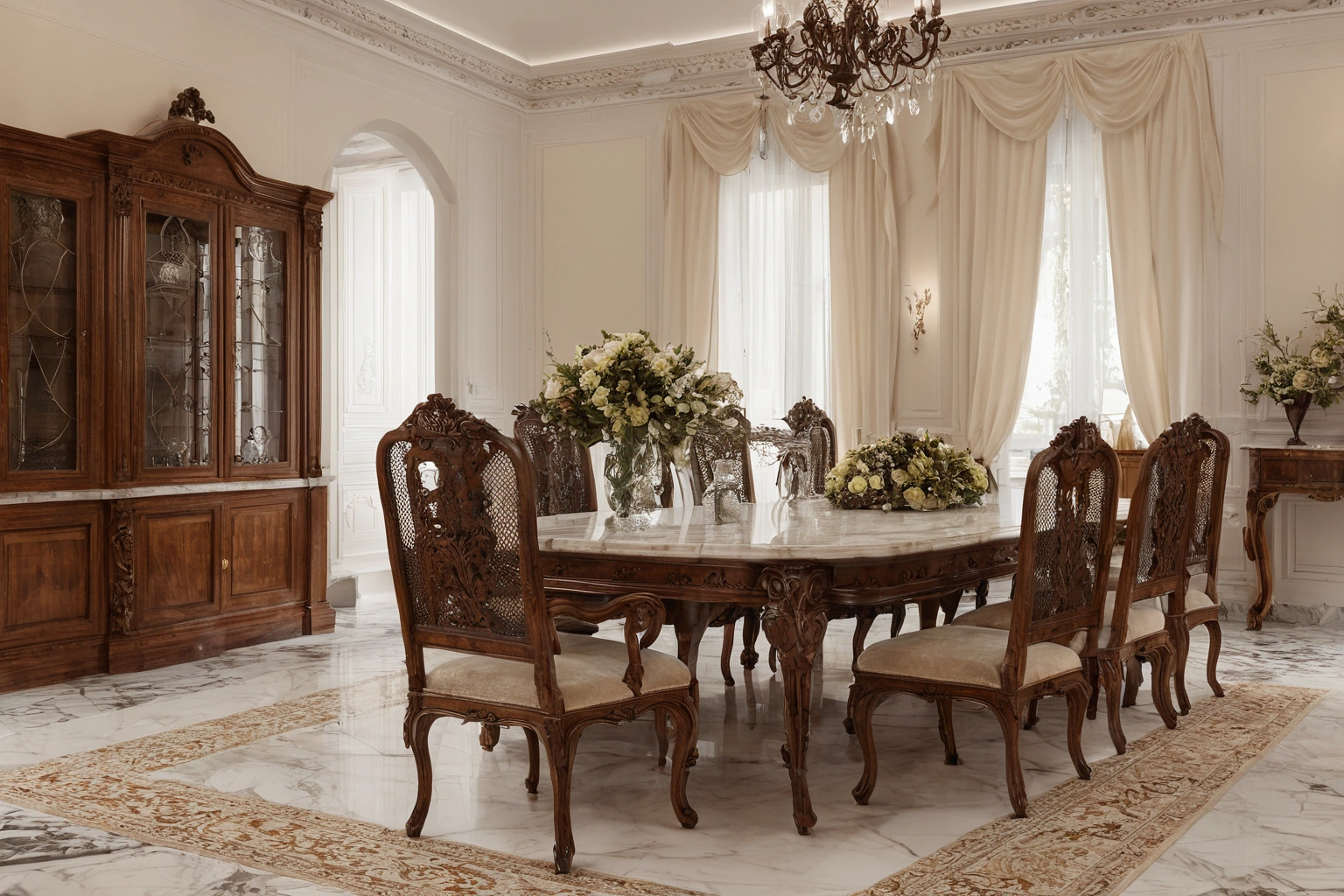
A deduction on EUR5,000 does not pay for handmade furniture. A carved classic dining set costs several times the ceiling before delivery. The scheme still matters because FederlegnoArredo measured a domestic market of EUR33 billion growing at 2 percent while exports grew only 0.4 percent to EUR19.3 billion in 2025, and FederlegnoArredo described the domestic result as resilient despite a steady reduction in housing tax incentives. Kitchens illustrate the split: FederlegnoArredo recorded kitchen sales up 5 percent on the Italian domestic market and down 5 percent on export markets.
What does a EUR5,000 deduction return on a real furniture purchase?
A EUR5,000 deduction returns EUR250 per year for ten years on a EUR5,000 purchase, returns the same EUR2,500 total on a EUR12,000 purchase because the ceiling caps eligible spending, and returns EUR1,000 total on a EUR2,000 purchase at the 50 percent rate. A buyer who purchases a handmade chair at EUR3,500 recovers EUR1,750 over ten years and pays EUR3,500 at the till. The deduction softens a purchase; the deduction never finances a purchase.
- A EUR2,000 purchase recovers EUR1,000, paid as EUR100 per year for ten years.
- A EUR5,000 purchase recovers EUR2,500, paid as EUR250 per year for ten years.
- A EUR12,000 purchase recovers EUR2,500, because eligible spending stops at the EUR5,000 ceiling.
- A buyer without IRPEF liability in a given year cannot absorb that year instalment at full value.
Why does a small tax break matter to a EUR33 billion market?
A small tax break matters to a EUR33 billion market because renovation drives furniture demand, and the Bonus Mobili attaches furniture spending to renovation projects that already employ builders, electricians and plumbers. Intesa Sanpaolo counted design companies at more than 76,000 employees and more than EUR6 billion of turnover inside the wider Italian furniture system. A renovation that triggers a kitchen, a bathroom and a furniture order moves money through several district trades at once.
A foreign buyer cannot claim Bonus Mobili on a purchase exported from Italy, and an Italian buyer should confirm eligibility with a tax adviser before ordering, because the renovation condition and the payment method decide the claim. Payment traceability matters: Italian practice requires payment by bank transfer or card for deducted purchases, and cash payment breaks the chain that the deduction audit follows.
- Confirm that a qualifying renovation covers the property before signing a furniture order.
- Pay by traceable transfer or card and keep the invoice, the payment record and the renovation paperwork together.
- Record the EUR5,000 ceiling against the whole project, not against each supplier invoice.
- Ask an Italian tax adviser to confirm the instalment schedule against personal IRPEF liability.
Modenese Furniture sells handmade furniture into Italian homes where a renovation budget often decides the furniture budget in the same meeting. The Bonus Mobili returns at most EUR2,500 over ten years, and the scheme still supports a EUR33 billion domestic market because thousands of renovations each release a furniture order that a workshop can schedule. Small incentives move large markets when the incentive attaches to a project that was already going to happen.