04, Maintenance
Keeping a minimal room minimal
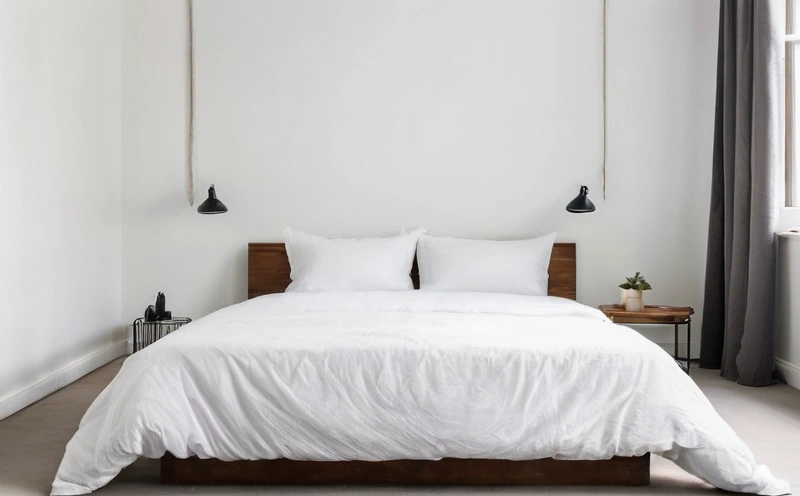
A minimal room decays in a predictable order, and the order runs the same in a studio in Dubai Marina and a house in Surrey. Keys land on the nearest surface, paper stacks beside the keys, a charger joins the stack, and the surface is gone inside eleven weeks. Four systems interrupt that sequence, and the four systems together take under two minutes a day.
Which four systems keep a minimal room minimal?
Four systems decide whether a bare room survives twelve months: the entry drop zone, the paper tray, the charging drawer and the laundry rail. Each system costs under two minutes a day to run, and each system has a fixed capacity a household can count before buying a single container.
| System | Container and size | Capacity | Time cost |
|---|---|---|---|
| Entry drop zone | Shelf 600 mm by 300 mm at 1,000 mm, one tray 300 mm by 200 mm | 6 to 8 objects, 2 hooks at 1,600 mm | 10 seconds on arrival |
| Paper tray | One A4 tray, 60 mm deep, kept inside a drawer | About 500 sheets | 10 minutes once a week |
| Charging drawer | One drawer, four way extension, two 1 m USB leads | 4 devices at once, 12 to 20 cables stored | 5 seconds per device |
| Laundry rail and basket | 55 litre basket in the wardrobe, valet rail 400 mm wide | 4 to 5 days of dirty items, 3 worn once garments | 15 seconds per garment |
How big should an entry drop zone be, and how many items does one hold?
Every adult arriving home carries four to six objects: keys, phone, wallet, sunglasses, a bag and sometimes post. A shelf 600 mm wide and 300 mm deep at 1,000 mm above the floor, holding one tray of 300 mm by 200 mm, absorbs the daily load of a two person household.
Deleting the surface near the door does not delete the objects, so the surface has to exist and has to be small enough to fill. The tray is the control: anything inside the tray is legal, anything on the shelf outside the tray leaves within 24 hours. A drop zone with no boundary turns into a console table carrying fourteen items, and those fourteen items are visible from the sofa.
Two hooks at 1,600 mm take a coat and a bag and keep both off the shelf. Hooks fail when a household fits six, because six hooks hold nine coats and the entrance becomes a wardrobe. Two hooks per occupant is the ceiling, and seasonal coats live in the entrance cupboard at 350 mm deep.
How do you stop paper piling up in a room with no visible surfaces?
A household receives three to eight sheets of paper a week, and paper defeats bare rooms because paper is flat, feels temporary and reads as a job for later. One A4 tray no deeper than 60 mm holds about 500 sheets, so the weekly sort, not the tray, sets the limit.
Sort the tray once a week in ten minutes with three outcomes only: bin, act, or file. Scanning replaces almost all filing, and paper originals stay only for contracts, visas, title deeds and anything carrying a wet signature. A retention box of 20 litres covers those originals for a household of two and gets purged every 24 months.
- One inbound tray, maximum 60 mm deep, stored closed inside a drawer
- Weekly sort: ten minutes, three outcomes only
- Paper originals kept: contracts, visas, title deeds, wet signatures
- Retention box: one 20 litre box, purged every 24 months
Where do twelve to twenty household cables live in a bare room?
A two person household owns twelve to twenty cables, and cables ruin bare surfaces because a cable has to reach a socket and sockets sit on walls. One charging drawer takes a four way extension screwed to the drawer base, two 1 m USB leads clipped down, and a 30 mm hole drilled through the drawer back.
Phones charge closed, out of sight, in the same drawer every night, and a 1 m lead is long enough to reach the front of the drawer and short enough not to tangle. Everything else goes to one labelled box in the tall unit: spare leads, adapters, the charger for a camera used twice a year. Households hold an average of six cables for devices sold years ago, and six dead cables occupy a drawer that could carry something used weekly.
How do you store laundry in three states without using the chair?
Laundry exists in three states (clean, worn once, dirty) and most bedrooms provide storage for one state, which is why the chair collects the worn once pile. Storage for all three states takes a 55 litre basket inside the wardrobe, a valet rail 400 mm wide, and drawers for clean items.
A 55 litre basket holds four to five days of dirty laundry for two adults, which sets the washing rhythm at two loads a week. A valet rail 400 mm wide takes three worn once garments, and three is the number a household actually has in circulation. The bedroom chair takes the worn once pile only while no rail exists.
Drying is the harder half. An indoor rack of 18 m rail capacity occupies 1.8 m² of floor for eight hours per load, which cancels the empty floor twice a week. Either run a condenser dryer, or fix a drying location outside the room and put the rack away the same evening. A rack left standing on a Tuesday is still standing on Saturday.
Which surfaces in a minimal home fail first, and how fast?
Four locations fail in a fixed order. The horizontal surface nearest the front door fails within two weeks of moving in. The bedroom chair becomes a clothes rail inside one month. The kitchen worktop fails after the first oversized grocery delivery. The spare room fails silently across six months.
| Location | Time to failure | Trigger | Fix and its capacity |
|---|---|---|---|
| Surface nearest the front door | 2 weeks | Keys and post landing with no assigned home | One tray, 300 mm by 200 mm, 6 to 8 objects |
| Bedroom chair | 1 month | Worn once garments with no third state storage | Valet rail 400 mm wide, 3 garments |
| Kitchen worktop | First large grocery delivery | Unpacking stopping at 80 per cent because drawers are full | 20 per cent of every drawer kept empty |
| Spare room | 6 months | Every postponed decision stored behind one closed door | Quarterly purge, 90 minutes, one 20 litre box out |
Two habits hold the line across all four locations. Keep 20 per cent of every drawer empty, because a full drawer exports its contents to the nearest surface. Run one reset of fifteen minutes a week, at a fixed time, with a timer, covering the four locations in order. Fifteen minutes a week is 13 hours a year, which is the real maintenance cost of a room that looks unmaintained.
Does one in one out actually keep storage from filling?
Storage sized for today's contents fills to capacity within eighteen months unless something leaves the house. One in one out applies at the point of purchase: a new lamp means an old lamp goes the same week, a new coat means a coat leaves the entrance within seven days.
The rule sounds severe and works because the rule is severe. A household buying 30 items a year and discarding 30 items a year holds a constant volume, while a household buying 30 and discarding 10 adds 20 items a year and fills a 2.4 m wardrobe in under three years. Rooms stay minimal on arithmetic rather than on willpower.